A countertop ice maker can quickly become one of the most-used appliances in your home. Whether you’re hosting backyard barbecues, filling coolers for weekend trips, or simply enjoying cold drinks throughout the day, having a steady supply of ice on demand is incredibly convenient.
Unfortunately, many owners encounter problems within the first year. I’ve seen countertop ice makers produce cloudy ice, develop unpleasant odors, slow down dramatically, or stop making ice altogether. In most cases, the machine wasn’t defective. The issue was improper setup, hard water buildup, or neglected maintenance.
The good news is that these machines are relatively easy to care for. A few minutes of cleaning every couple of weeks can prevent many common problems and help your ice maker last for years. This guide explains how to set up your countertop ice maker correctly, maintain it properly, troubleshoot common issues, and avoid mistakes that often lead to premature breakdowns.
Quick Takeaways
- Place the ice maker on a level surface with adequate ventilation.
- Clean and rinse the machine before producing your first batch of ice.
- Use filtered water whenever possible.
- Empty standing water when the machine is not in use.
- Clean the reservoir every one to two weeks.
- Descale the machine every one to three months.
- Address unusual noises, leaks, or performance changes early.
What Is a Countertop Ice Maker?
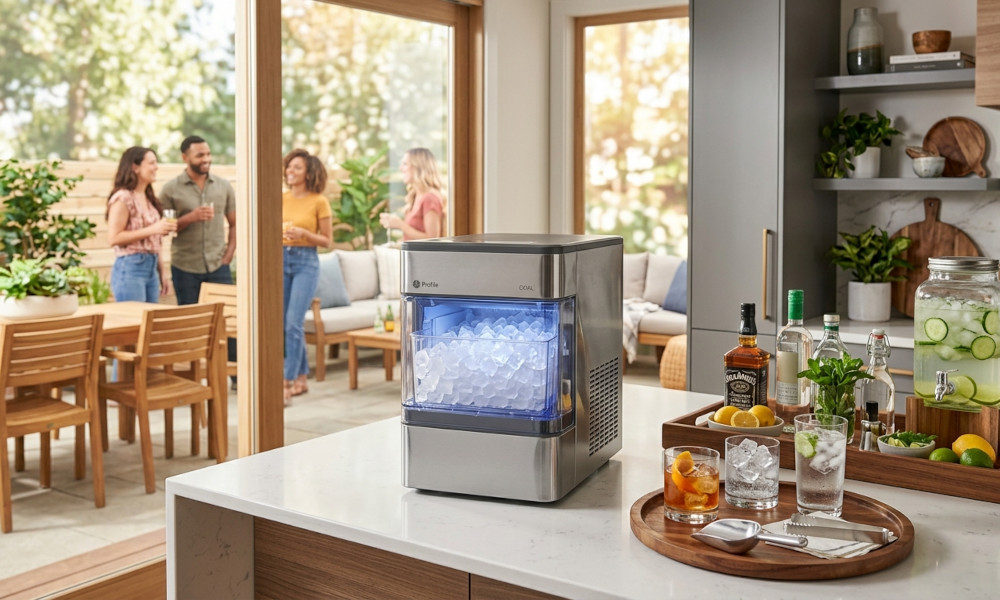
A countertop ice maker, also called a portable ice machine, is a compact appliance that produces ice without requiring a dedicated water line.
Instead of connecting to your home’s plumbing system, these machines use an internal reservoir that you fill manually. Most models begin producing ice within six to fifteen minutes and can generate multiple batches throughout the day.
Unlike freezer ice trays or built-in refrigerator ice makers, countertop units are designed for rapid ice production. They are especially popular in:
- Apartments
- Small kitchens
- RVs
- Home bars
- Garages
- Outdoor entertaining spaces
If you’re planning to upgrade your entertaining space, there are plenty of ideas for a home bar area while on a budget that pair perfectly with a portable ice maker, allowing you to create a functional setup without the expense of a built-in wet bar.
One thing many first-time owners don’t realize is that these machines are designed to make ice, not store it. As the ice melts, the water typically returns to the reservoir and is reused during future production cycles.
How to Set Up a Countertop Ice Maker
Proper setup plays a major role in both performance and longevity.
Many service issues begin with poor placement or skipping the initial cleaning process.
Choose the Right Location
Place the machine on a flat, stable surface with at least four to six inches of open space around all sides.
Countertop ice makers generate heat while operating. Without proper airflow, the compressor must work harder, which can reduce efficiency and increase wear over time.
Avoid placing the machine:
- Next to ovens or stoves
- Near toaster ovens
- In direct sunlight
- Beside other heat-producing appliances
I’ve seen machines struggle to maintain production simply because they were installed in a cramped corner with limited ventilation.
Clean the Machine Before First Use
Even brand-new appliances can contain manufacturing residue, dust, or packaging particles.
Before making your first batch of ice:
- Fill the reservoir with water and a manufacturer-approved cleaner or diluted white vinegar solution.
- Run a cleaning cycle.
- Discard any ice produced.
- Rinse the reservoir thoroughly.
- Run a second cycle using fresh water.
This simple step helps eliminate odors and improves ice quality from the start.
Use Filtered Water When Possible
Tap water is acceptable in most situations, but filtered water often produces clearer, better-tasting ice.
Filtered water also reduces mineral deposits that can accumulate inside pumps, water lines, and evaporator components.
If you live in an area with hard water, using filtered water can significantly reduce the frequency of descaling.
How to Maintain a Countertop Ice Maker
Regular maintenance is the most effective way to prevent performance issues and extend the lifespan of your appliance.
The same preventive care principles apply to nearly every appliance in your home. Understanding how to maintain your home appliances before they break down can help you reduce repair costs, improve efficiency, and get more years of reliable performance from everything from refrigerators to portable ice makers.
Clean the Reservoir Every One to Two Weeks
Standing water creates an environment where mold, bacteria, and odors can develop.
To clean the reservoir:
- Drain all water.
- Wipe interior surfaces using warm water and white vinegar.
- Rinse thoroughly.
- Refill with fresh water.
Many owners don’t notice contamination until their ice begins tasting unusual. Regular cleaning helps prevent this problem before it starts.
Descale the Machine Every One to Three Months
Mineral buildup is one of the most common causes of reduced ice production.
Over time, calcium and other minerals can accumulate on internal components, restricting water flow and reducing efficiency.
Signs that descaling may be needed include:
- Smaller ice cubes
- Hollow ice cubes
- Slower production cycles
- Cloudy ice
- Increased operating noise
To descale the machine:
- Fill the reservoir with a vinegar-and-water solution.
- Run the cleaning cycle.
- Drain the machine completely.
- Run two additional cycles with fresh water.
In areas with particularly hard water, more frequent descaling may be necessary.
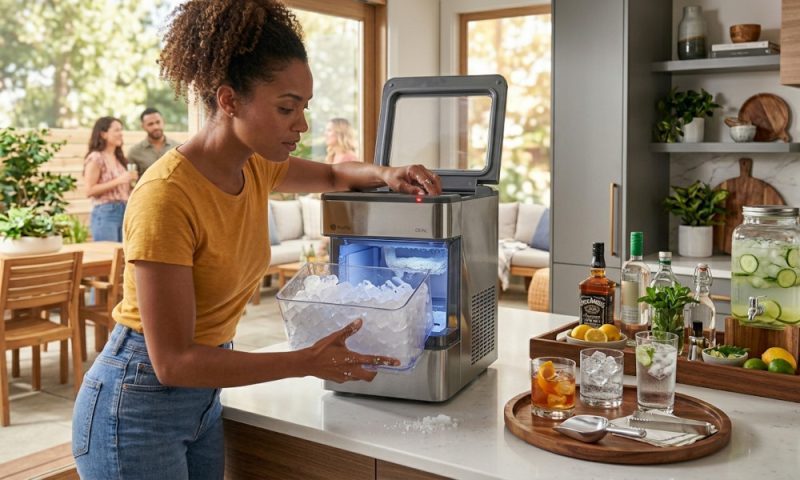
Clean the Ice Basket
The ice basket is often overlooked during routine maintenance.
Water splashes, handling, and melted ice can leave residue behind over time.
Wash the basket regularly using:
- Warm water
- Mild dish soap
- A soft sponge
Allow it to dry completely before reinstalling it.
Keep Ventilation Areas Clean
Dust accumulation around air vents can restrict airflow and force the compressor to work harder.
Use a microfiber cloth or soft brush to periodically remove dust from exterior ventilation openings.
Empty the Reservoir During Extended Non-Use
If the machine won’t be used for several days, drain all remaining water and leave the lid open until the interior dries completely.
This simple habit helps prevent mold growth and stale odors.
Troubleshooting Common Countertop Ice Maker Problems
Many countertop ice maker issues have straightforward causes.
Ice Tastes or Smells Bad
This is usually caused by:
- Standing water
- Mold growth
- Mineral buildup
- Dirty reservoirs
A thorough cleaning and descaling cycle often resolves the problem.
Ice Is Cloudy
Cloudy ice commonly results from minerals in the water supply.
Switching to filtered water and performing a descaling treatment can improve clarity.
Ice Production Is Slower Than Normal
Several factors can affect production speed:
- Mineral buildup
- High room temperatures
- Blocked ventilation
- Low water levels
Check airflow around the unit and perform a cleaning cycle before assuming a mechanical failure.
Ice Cubes Are Smaller Than Usual
This often indicates restricted water flow caused by scale buildup.
Descaling is typically the first solution to try.
Machine Runs but Produces No Ice
Possible causes include:
- Low water levels
- Dirty sensors
- Overheating
- Internal component failure
Verify water levels and ventilation first before seeking professional service.
Ice Melts Quickly Inside the Basket
Many owners mistake this for a malfunction.
Most countertop ice makers are not freezers. The storage basket is insulated but does not actively keep ice frozen.
Promptly removing ice or transferring it to a freezer is standard practice.
When to Call a Professional
Some problems indicate issues that should not be addressed through DIY repairs.
Discontinue use immediately if you notice:
- Electrical sparking
- Burning odors
- Water leaking from the bottom of the machine
- Repeated breaker trips
- Complete loss of cooling function
Electrical and refrigeration system repairs often require specialized tools and training.
For Atlanta-area homeowners, Appliance EMT provides diagnostic and repair services for countertop ice makers and other household appliances.
Tips for Extending the Life of Your Ice Maker
Use the Machine Regularly
Long periods of inactivity can contribute to dried seals, stagnant water, and the development of odors.
Follow Water Fill Guidelines
Overfilling can create unnecessary spills and place additional stress on internal components.
Store the Unit Properly
Before storing:
- Drain all water.
- Clean the machine thoroughly.
- Dry all removable components.
- Store upright in a clean, dry area.
Keep the Owner’s Manual
Maintenance schedules and cleaning procedures vary by manufacturer. Always follow model-specific recommendations when available.
Frequently Asked Questions
How often should I clean a countertop ice maker?
Clean the reservoir every 1 to 2 weeks and descale every 1 to 3 months, depending on usage and water quality.
Why is my countertop ice maker making cloudy ice?
Minerals in the water supply and internal scale buildup are the most common causes.
Can I use distilled water?
Most manufacturers recommend filtered water rather than distilled water. Check your owner’s manual for specific guidance.
Why does my ice taste like plastic?
New machines may initially retain manufacturing odors. Running several cleaning cycles before first use typically resolves the issue.
How much electricity does a countertop ice maker use?
Most countertop ice makers use roughly as much electricity as many small kitchen appliances, though actual consumption varies by model and usage frequency.
How long do countertop ice makers last?
With proper cleaning and maintenance, many units provide reliable service for several years.
Final Thoughts
Most countertop ice maker failures don’t happen suddenly. Performance usually declines gradually through reduced ice production, unusual noises, cloudy ice, or unpleasant odors.
Paying attention to these early warning signs can help you correct minor issues before they become costly repairs.
With proper setup, routine cleaning, regular descaling, and good water quality, a countertop ice maker can deliver years of dependable performance, keeping your drinks cold and your gatherings supplied with fresh ice whenever you need it.
About the Author