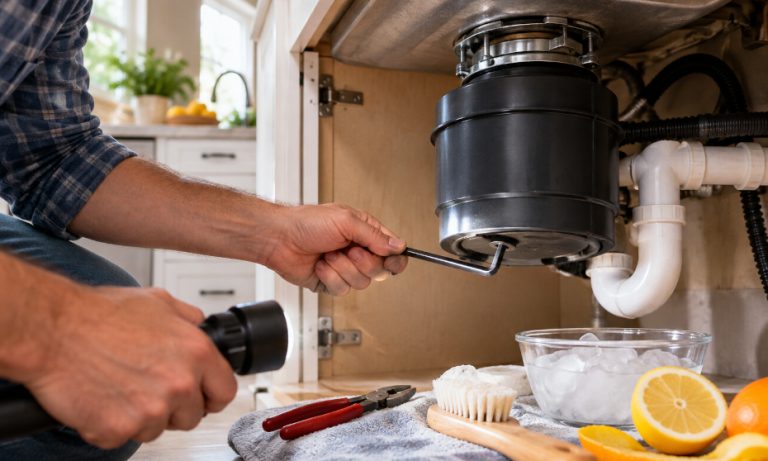

Most homeowners don’t think much about home appliance maintenance until something stops working.
It’s understandable. Life gets busy, and appliances quietly do their jobs in the background. Then suddenly the refrigerator isn’t cooling, the dishwasher leaves dirty dishes behind, or the dryer takes two cycles to dry a load of laundry.
After years of diagnosing appliance problems in homes throughout the Atlanta area, I’ve noticed a consistent pattern: many major appliance failures begin as small maintenance issues that go unnoticed for months.
The good news is that most of these problems are preventable.
Whether you live in a newer home in Cumming or an older property in Smyrna, a few simple maintenance habits can help your appliances run more efficiently, last longer, and avoid unexpected breakdowns.
Key Takeaways
- Many appliance failures are caused by neglected maintenance rather than defective parts.
- Simple cleaning and inspection tasks can help prevent costly repairs.
- Most maintenance tasks take less than 10 minutes.
- Proper maintenance improves performance and energy efficiency.
- Seasonal maintenance is easier to remember than waiting for problems to appear.
- Knowing when to call a professional is just as important as performing basic upkeep.
Home Appliance Maintenance Tips Every Homeowner Should Know
The average household relies on multiple major appliances every day. Refrigerators run around the clock, washers and dryers handle weekly laundry, and dishwashers, ovens, and microwaves support daily routines.
What many homeowners don’t realize is that appliances often show subtle warning signs long before they fail. Reduced airflow, dirty filters, mineral buildup, and worn seals force components to work harder than necessary. Over time, that extra strain can lead to higher utility bills, poor performance, and premature wear.
A little preventive care throughout the year can make a remarkable difference.
Recommended Home Appliance Maintenance Schedule
| Maintenance Task | Frequency |
| Clean refrigerator condenser coils | Every 6 months |
| Inspect refrigerator door gaskets | Every 6 months |
| Replace refrigerator water filter | Every 6 months |
| Clean dishwasher filter | Monthly |
| Run dishwasher cleaning cycle | Monthly |
| Run washer drum cleaning cycle | Monthly |
| Clean dryer lint trap | After every load |
| Clean dryer vent duct | Annually |
| Check oven temperature calibration | Annually |
| Inspect microwave door seal | Twice yearly |
Refrigerator Maintenance: The Appliance That Never Gets a Day Off
Your refrigerator operates 24 hours a day, making it one of the hardest-working appliances in your home.
Clean the Condenser Coils
Dust-covered condenser coils are one of the most common causes of poor refrigerator performance.
I once visited a homeowner in Roswell who was convinced the refrigerator compressor was failing because food wasn’t staying cold. After pulling the appliance away from the wall, we found the coils completely coated with dust and pet hair. A thorough cleaning restored proper airflow and solved the problem without an expensive repair.
Clean the coils every six months using a vacuum or refrigerator coil brush.
Check the Door Gaskets
Door seals prevent cold air from escaping. A simple paper test can reveal whether they’re still doing their job.
Close the refrigerator door on a sheet of paper and gently pull. If the paper slides out easily, the gasket may need to be replaced.
Replace Water Filters
Many homeowners forget about water filters until water flow slows noticeably.
Replacing filters according to manufacturer recommendations helps maintain water quality and prevents unnecessary strain on the system.
Verify Temperature Settings
For food safety and efficiency, keep refrigerator temperatures around 37°F (3°C) and freezer temperatures near 0°F (-18°C).
Avoid Overpacking
While a moderately full refrigerator operates efficiently, overcrowding can block airflow and create uneven cooling throughout the appliance.
Dishwasher Maintenance: Small Tasks That Prevent Big Problems
Many homeowners assume their dishwasher cleans itself because it uses hot water and detergent daily.
In reality, food particles, grease, soap residue, and mineral deposits gradually accumulate inside the machine.
Clean the Filter Monthly
A clogged filter restricts drainage and cleaning performance.
One common service call involves standing water at the bottom of the dishwasher. In many cases, the cause is simply a neglected filter packed with food debris.
If water consistently remains in the bottom of the tub after a cycle, it’s worth investigating the issue before it leads to bigger problems. This guide on how to fix a dishwasher that is not draining walks through the most common causes, including clogged filters and drain hoses, as well as faulty pumps.
Rinse the filter every three to four weeks under warm water.
Run a Monthly Cleaning Cycle
Run an empty cycle using a dishwasher cleaner or a cup of white vinegar to remove mineral deposits and grease buildup.
Inspect Spray Arms
Check spray arm openings periodically for obstructions.
A toothpick or soft brush can remove debris and restore proper water flow.
Watch for Hard Water Buildup
Homes in some older Atlanta-area neighborhoods experience hard water issues that can leave mineral deposits on spray arms and internal components. Regular cleaning helps prevent long-term performance problems.
Washing Machine Maintenance: Preventing Odors and Wear
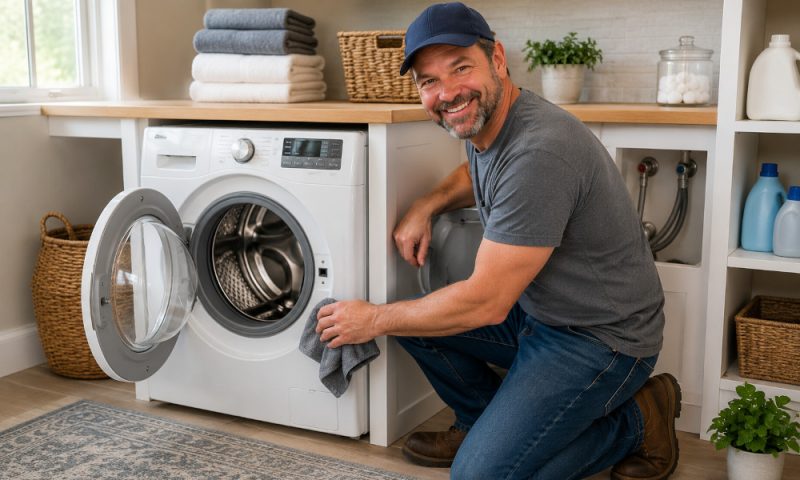
Washing machines handle significant moisture, making them particularly vulnerable to mold, mildew, and residue buildup.
Run a Monthly Drum Cleaning Cycle
Even if the washer appears clean, detergent residue and minerals accumulate over time.
Run a monthly cleaning cycle using a washer cleaner or a manufacturer-approved product.
Use the Correct Amount of Detergent
More detergent does not mean cleaner clothes.
Excess detergent often creates residue that contributes to odors and can interfere with proper operation.
Leave the Door Open Between Loads
This simple habit helps moisture evaporate and dramatically reduces mold growth around door gaskets.
Inspect Water Supply Hoses
Check hoses annually for bulges, cracks, or signs of wear.
A burst washer hose can cause extensive water damage in a matter of minutes.
Dryer Maintenance: One of the Most Important Safety Tasks
Among all household appliances, dryers pose one of the greatest fire risks when maintenance is neglected.
Clean the Lint Trap After Every Load
Lint restricts airflow, reduces efficiency, and increases drying times.
Make cleaning the lint screen part of every laundry routine.
Clean the Vent Duct Annually
I frequently encounter homes where dryer vent systems haven’t been cleaned in years.
If your dryer suddenly needs two or three cycles to dry a normal load, don’t assume the appliance itself is failing. Restricted airflow, clogged vents, and lint buildup are often the real culprits. This guide on slow dryers in Alpharetta: why it takes two cycles and what’s actually causing it explains the most common causes and how homeowners can identify the problem before scheduling a repair.
One homeowner in Alpharetta reported that drying towels required two full cycles. The issue wasn’t the dryer itself. The vent duct was nearly blocked with lint.
After cleaning the vent, drying times returned to normal immediately.
Check the Exterior Vent Hood
Inspect the exterior vent cap for lint accumulation, nesting material, and debris that could restrict airflow.
Oven and Range Maintenance: Better Cooking Performance Starts With Cleaning
Clean Burner Components
For gas ranges, clogged burner ports can create uneven flames and ignition problems.
Routine cleaning helps maintain consistent cooking performance.
Keep the Oven Interior Clean
Grease buildup can affect cooking results and create unpleasant odors.
Use the self-cleaning cycle sparingly since extreme temperatures place additional stress on appliance components.
Verify Oven Temperature Accuracy
If baking results seem inconsistent, test the actual temperature using an oven thermometer.
Many ovens allow calibration adjustments through their settings menus.
Microwave Maintenance: Simple but Often Overlooked
Microwaves require very little maintenance, but a few habits can extend their useful life.
Clean Spills Immediately
Dried food residue can interfere with performance and create unpleasant odors.
A bowl of heated water and white vinegar produces steam that loosens stubborn buildup and makes cleaning easier.
Inspect the Door Seal
A damaged door seal is a safety concern and should be evaluated by a qualified technician.
Seasonal Appliance Maintenance Checklist
Many homeowners find it easier to remember maintenance tasks when they are tied to the seasons.
Spring
- Clean refrigerator coils
- Inspect washer hoses
- Run dishwasher cleaning cycle
- Check microwave door seal
Summer
- Verify refrigerator temperatures
- Clean refrigerator gaskets
- Inspect freezer seals
- Check outdoor dryer vent caps
Fall
- Deep-clean dishwasher filters
- Inspect oven performance before holiday cooking
- Clean range burner components
Winter
- Clean dryer vent ducts
- Run washer cleaning cycles
- Replace refrigerator water filters
- Check for unusual appliance noises or vibrations
Appliance Maintenance in Georgia
Humidity Creates Additional Challenges
Georgia’s humidity can accelerate mold growth in washers and dishwashers while causing rubber seals and gaskets to deteriorate faster.
Summer Heat Increases Refrigerator Workloads
During Atlanta’s hottest months, refrigerators work harder to maintain safe temperatures. Dirty coils become even more problematic when kitchen temperatures rise.
What Years of Appliance Service Calls Have Taught Me
One lesson stands out above all others.
Most appliance failures don’t happen suddenly.
A refrigerator compressor often struggles for months before failing. A dryer vent gradually becomes restricted. A dishwasher filter slowly fills with debris.
By the time homeowners notice a major symptom, the underlying problem has often existed for quite some time.
The homeowners who experience the fewest appliance emergencies aren’t necessarily the most mechanically inclined. They’re simply the ones who consistently perform small maintenance tasks before problems develop.
For homeowners who prefer professional maintenance services, Appliance EMT has built a strong reputation throughout the Atlanta area for appliance repair and maintenance support.
Frequently Asked Questions
How often should I perform maintenance on my home appliances?
Most appliances benefit from monthly maintenance, while others require attention only once or twice a year.
What are the signs that an appliance needs maintenance?
Warning signs include unusual noises, reduced performance, longer cycle times, visible buildup, leaks, and unexplained increases in utility bills.
Does regular maintenance really extend appliance lifespan?
Yes. Proper maintenance reduces unnecessary strain on motors, compressors, heating elements, and other critical components.
Can maintenance lower energy costs?
Clean coils, filters, seals, and vents help appliances operate more efficiently, which can reduce energy consumption.
Should I hire a professional?
Most routine maintenance tasks are DIY-friendly. Work involving gas systems, electrical components, or sealed refrigeration systems should be left to qualified professionals.
What appliance maintenance task is most commonly neglected?
In many homes, it’s the dryer vent system. Most people remember the lint trap but forget the vent duct hidden behind walls or beneath floors.
Why Maintenance Matters More Than Most Homeowners Realize
Most appliance failures don’t happen overnight.
They develop gradually through restricted airflow, dirty filters, worn seals, mineral buildup, and neglected maintenance. Spending just a few minutes each month on preventive care can help you avoid costly repairs, improve performance, and keep your appliances operating reliably for years.
The best time to maintain an appliance isn’t after it breaks down.
It’s before the warning signs ever appear.
About the Author