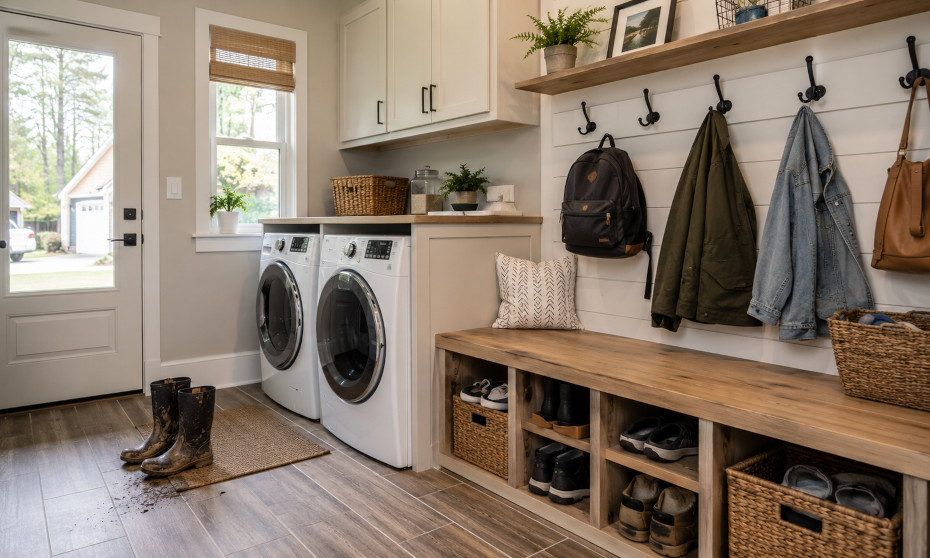
For years, the small laundry nook behind my kitchen collected muddy shoes, backpacks, and jackets. Every rainy day seemed to make the mess worse, especially with Georgia’s red clay finding its way indoors. Instead of wishing I had a dedicated mudroom, I decided to make better use of the space I already had.
With a weekend, some basic carpentry skills, and about $850, I transformed the laundry nook into a functional entryway that works just as hard as the rest of my home. The project wasn’t perfect. I uncovered a damaged section of subfloor, made a few last-minute design changes, and spent more time reconnecting the washer than expected. Looking back, those extra hours were well worth it because the finished space is cleaner, more organized, and much easier to maintain.
If your laundry area sits near the garage or back door, this project can help you create a practical drop zone without adding an expensive room addition.
Key Takeaways
- A laundry nook can become a functional mudroom without major remodeling.
- Vertical storage and built-in seating maximize small spaces.
- Moisture-resistant flooring holds up better to Buford’s rainy weather and red clay.
- Careful planning around appliances prevents costly mistakes.
- Budget extra time and money for unexpected repairs.
Why a Laundry Nook Makes a Great Mudroom
Many laundry rooms already have everything a mudroom needs. They’re often located near exterior doors, have durable flooring, and include unused wall space that can be converted into storage.
Since my laundry nook connects directly to the garage, it naturally became the first stop after coming home. Rather than letting shoes and bags pile up throughout the house, I created one organized space where everything has its place.
Materials I Used
- Porcelain wood-look tile
- Lumber for a simple storage bench
- Paint
- Wall hooks
- Floating shelf
- Construction adhesive
- Screws and fasteners
- Circular saw
- Tape measure
- Level
Planning the Layout
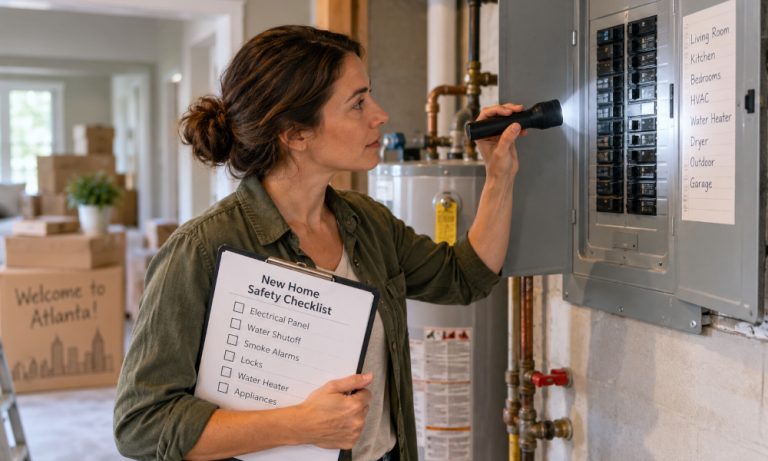
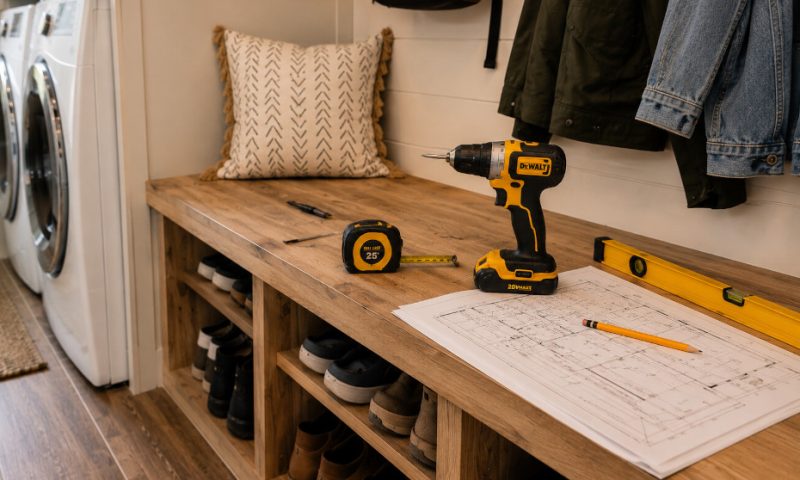
Before buying materials, I measured every wall, appliance clearance, outlet, and doorway. I almost overlooked the dryer door swing, which would have made the bench impossible to use. Spending a few extra minutes with a tape measure saved me from rebuilding part of the project later.
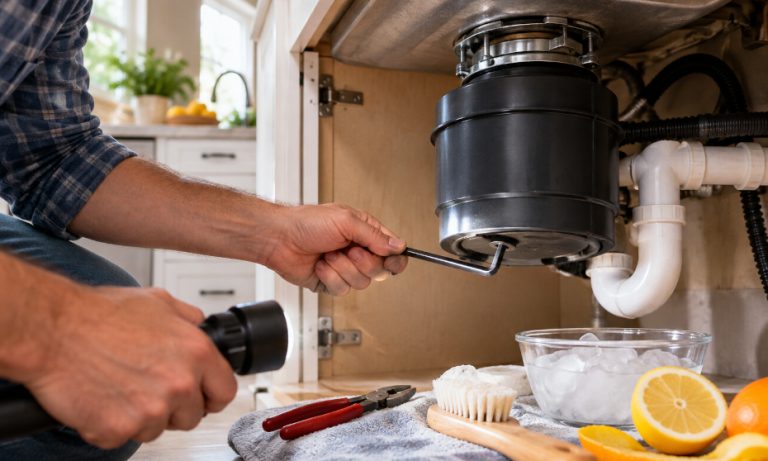
While planning, I also inspected the washer hoses, dryer vent, and water connections. If you notice worn supply lines, leaks, or appliance issues before starting your remodel, it’s worth addressing them first. A best company for Washer Repair in Buford can inspect or repair your appliances before you build around them, helping you avoid tearing out finished work later.
I also sketched the layout on paper to make sure every inch of space served a purpose.
Step-by-Step Conversion
1. Empty the Space
Moving the washer and dryer uncovered a soft section of subfloor near the exterior wall. It wasn’t something I expected, but repairing it first prevented much bigger problems after the new flooring was installed. If you’re remodeling an older laundry room, always inspect for moisture damage before covering anything.
2. Install Durable Flooring
Because Buford experiences frequent rain and humid summers, I replaced the old vinyl with porcelain tile that looks like hardwood. It’s easy to clean, handles wet boots well, and won’t swell if water sits on the surface.
Moisture is one of the biggest challenges for homes across North Georgia, so I also started making a few other seasonal upgrades to protect my home from humidity. Some of the small home projects I use every year to handle Atlanta humidity have made just as much difference as this mudroom makeover.
Waterproof luxury vinyl plank is another excellent choice if you’re looking for a lower-cost option.
3. Build Practical Storage
I built a simple bench with open cubbies underneath to store shoes and bags. Keeping the bench around 18 inches high made it comfortable to sit on while putting on boots.
Above the bench, I installed two rows of hooks so both adults and children could easily hang jackets and backpacks. A narrow floating shelf gave us a place to keep keys, sunglasses, and mail instead of leaving them on the kitchen counter.
4. Reconnect the Appliances
Reconnecting the washer turned out to be the most stressful part of the project. After hearing about a neighbor who accidentally cross-threaded a supply line and ended up with a slow leak behind the washer, I took my time checking every fitting before turning the water back on.
If you’re unsure about supply lines or dryer vent connections, it’s worth having a professional inspect your work. A local company that specializes in washer repair in Buford can help prevent costly water damage, while Appliance EMT has earned a solid reputation for assisting homeowners with appliance reconnections when DIY projects become more complicated than expected.
Budget and Timeline
My 6-by-8-foot laundry nook cost approximately $850, including flooring, lumber, paint, and hardware.
My weekend schedule looked like this:
- Saturday morning: Remove appliances and repair the subfloor.
- Saturday afternoon: Install tile flooring.
- Sunday morning: Build the bench and install storage.
- Sunday afternoon: Paint, reconnect appliances, and finish the final details.
Local Considerations for Buford Homes
Living near Lake Lanier means dealing with humidity, frequent rain, and plenty of muddy shoes throughout the year. Georgia’s red clay is especially difficult to keep outside, making moisture-resistant flooring and easy-to-clean surfaces well worth the investment.
Homes around Hamilton Mill and Buford Dam Road often experience these conditions, making a mudroom one of the most practical upgrades for busy families.
My Honest Take After One Weekend
This project reminded me that the hidden work matters just as much as the finished result. Repairing the subfloor wasn’t the most exciting part of the weekend, but it probably saved me thousands of dollars in future repairs.
If I tackled this project again, I’d spend even more time planning storage. Our family quickly filled every cubby, basket, and hook, proving there’s almost no such thing as too much organization in a mudroom.
Frequently Asked Questions
Do I need a permit?
Most cosmetic improvements don’t require one. However, moving plumbing or electrical components may require permits, so check with the City of Buford or Gwinnett County before beginning.
What’s the best flooring?
Porcelain tile is my top recommendation because it handles water, dirt, and heavy foot traffic extremely well. Waterproof luxury vinyl plank is another excellent option.
Can I leave my washer and dryer in place?
You can, but moving them temporarily makes flooring installation, painting, and framing much easier.
What should I do if I discover plumbing problems?
Turn off the water immediately and avoid forcing fittings. Small leaks can become expensive repairs if ignored.
Do I need custom cabinets?
No. A sturdy bench, wall hooks, floating shelves, and storage baskets provide most of the functionality at a fraction of the cost.
A Small Upgrade With a Big Impact
Converting my laundry nook into a mudroom turned one of the most overlooked spaces in my home into one of the most useful. The biggest improvement wasn’t the new bench or storage. It was finally having a place where muddy shoes, backpacks, and jackets stopped taking over the rest of the house.
If you’re looking for a weekend project that delivers everyday value, this is one upgrade I’d gladly do again. With thoughtful planning, durable materials, and a little patience, even a small laundry nook can become a hardworking mudroom that keeps your home cleaner and more organized for years to come.
About the Author