Every appliance makes noise, but not every sound is harmless. Refrigerators hum, dishwashers swish, and dryers tumble as part of normal operation. The problem starts when those familiar sounds change. A new buzz, repeated click, or grinding noise often signals a worn or failing component.
Over the years, I’ve found that many expensive repairs could have been avoided if homeowners acted sooner. Paying attention to unusual kitchen appliance noises can save money, reduce downtime, and help your appliances last longer.
Unusual sounds are often just one sign that an appliance needs attention. Following a regular maintenance routine can help you catch small issues before they turn into major repairs. Learn how to maintain your home appliances before they break down to keep your refrigerator, dishwasher, washer, and dryer running efficiently year-round.
Key Takeaways
- A steady refrigerator hum is normal, but loud buzzing, clicking, or grinding is not.
- Dishwasher gurgling after a cycle often points to a drainage problem.
- Squealing or persistent thumping from a washer or dryer usually indicates worn parts.
- Atlanta’s humidity and summer storms can place extra stress on appliance components.
- A new or worsening noise is often the first sign that maintenance is needed.
Refrigerator Noises: Humming, Buzzing, and Clicking
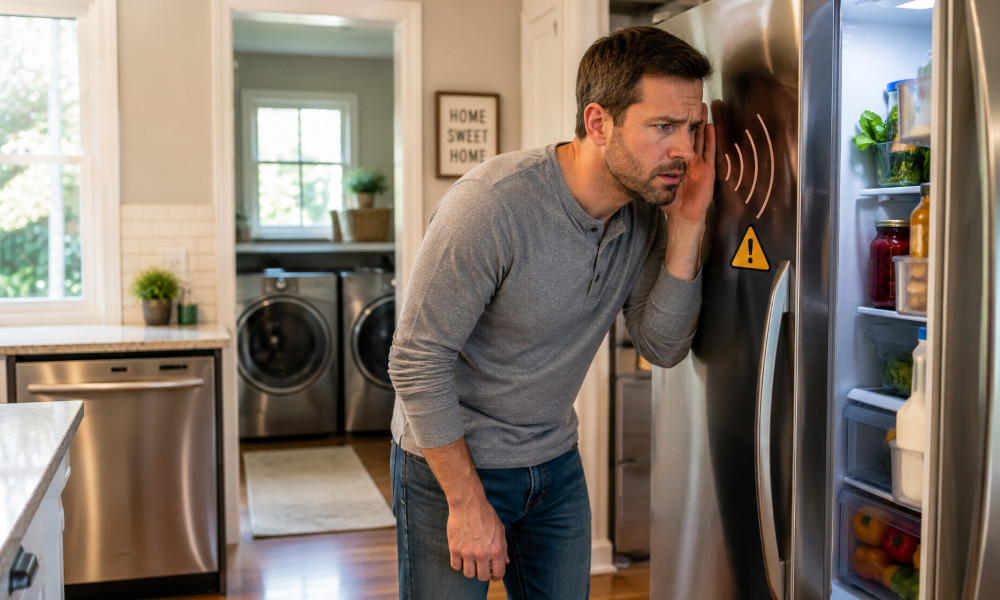
A soft hum is simply your refrigerator’s compressor running. However, loud buzzing, repeated clicking, or grinding deserves attention. These sounds often come from a failing condenser fan motor, worn start relay, or a compressor working harder than it should.
One issue I see frequently is dirty condenser coils. When airflow is restricted, the compressor runs longer and louder, increasing wear on critical parts.
If you own a built-in refrigerator, don’t ignore subtle changes. Premium models can continue cooling while developing small problems that become costly if left untreated. Many common Sub-Zero refrigerator problems begin with unusual clicking, buzzing, or inconsistent cooling, making early diagnosis the best way to avoid more expensive repairs.
What you can do:
- Clean the condenser coils.
- Make sure the refrigerator has proper airflow around it.
- Schedule a repair if clicking or buzzing continues or cooling performance declines.
If the noise persists after basic maintenance, it’s best to have the refrigerator inspected.
Dishwasher Noises: Grinding and Gurgling
Dishwashers naturally make spraying and pumping sounds during a cycle. What concerns me is loud grinding or persistent gurgling after the wash is complete.
In many cases, the problem is a clogged air gap, partially blocked drain hose, or food debris trapped in the drain pump. Ignoring the issue can leave standing water inside the appliance, leading to unpleasant odors and unnecessary strain on the pump.
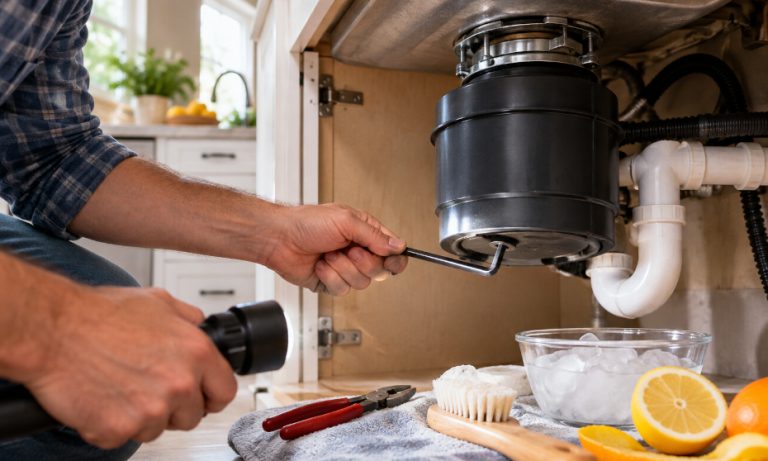
Before calling for service, check the dishwasher filter and inspect the drain hose for obvious kinks. If the noise continues after cleaning, it’s time for a professional inspection.
Washer and Dryer Noises
Laundry appliances often provide clear warning signs before something fails.
- Squealing usually points to a worn drive belt or idler pulley.
- Rhythmic thumping often means an unbalanced load, but if it continues with an empty drum, worn support rollers or suspension components may be responsible.
- Metallic clunking can indicate loose objects in the pump or worn internal parts.
Delaying repairs can place additional stress on the motor and bearings, turning an inexpensive fix into a much larger repair.

Why Atlanta Homes Can Be Hard on Appliances
Metro Atlanta’s hot, humid summers make refrigerators, freezers, and air-cooled motors work harder for much of the year. Summer power flickers during thunderstorms can also shorten the life of electronic control boards and start relays.
I also see many older homes throughout communities like Marietta, Roswell, and Sandy Springs where aging appliances have simply accumulated years of wear. In these homes, unusual noises are often the first indication that a component is reaching the end of its lifespan.
A Lesson Many Homeowners Learn Too Late
One homeowner ignored a refrigerator that had been clicking every few minutes because it continued cooling normally. A few weeks later, the compressor failed after the start relay finally gave out. Replacing the relay early would have cost a fraction of what the complete repair required.
That’s why I recommend treating any new or worsening appliance noise as an early warning rather than waiting for a complete breakdown.
Frequently Asked Questions
Is it normal for a refrigerator to make noise?
Yes. A steady hum is normal. Loud clicking, grinding, buzzing, or sudden changes in sound should be inspected.
Why is my appliance suddenly louder?
A louder appliance often indicates a worn motor, loose component, failing bearing, or restricted airflow that forces the appliance to work harder.
Can I diagnose the problem myself?
You can often narrow down the cause by noting when the noise occurs, such as during start-up, while running, or after a cycle. That information helps a technician identify the problem more quickly.
When should I schedule a repair?
Schedule service if the noise is new, becoming more frequent, or accompanied by poor cooling, drainage issues, leaks, burning smells, or longer operating cycles.
Final Thoughts
Your appliances often warn you before they fail. A clicking refrigerator, grinding dishwasher, or squealing dryer may seem minor today, but those sounds rarely disappear on their own. Addressing small issues early can prevent more expensive repairs, extend the life of your appliances, and help keep your kitchen and laundry room running smoothly.
If you notice a sound that wasn’t there before, don’t ignore it. A timely inspection is often the simplest and most affordable way to prevent a major breakdown.
About the Author