Step-by-Step Guide From Handyman Bob on Replacing a Washer Water Inlet Valve Safely
I am all about saving money by doing the work yourself. Heck, that’s how I became a handyman and I always encourage people to do the same. This time around, I am teaching you how to replace a washer inlet valve. I consider this a fairly easy washer repair job to do if you are handy with tools and do not mind getting your hands dirty.
I chose this particular project because when I get a call to repair a washing machine that won’t fill up properly, a broken washing machine water inlet valve is the most common cause for it.
Quick Answer
To replace a washer water inlet valve, unplug the washing machine, shut off the hot and cold water supply, remove the supply hoses, access the valve from the back panel, disconnect the wires and internal hose, install the new valve, reconnect everything, and test for leaks. On many washers, this repair takes 1 to 2 hours and can fix problems such as slow filling, no filling, incorrect water temperature, or stopping mid-cycle.
Table of Contents
Washer Water Inlet Valve Replacement Project Details:
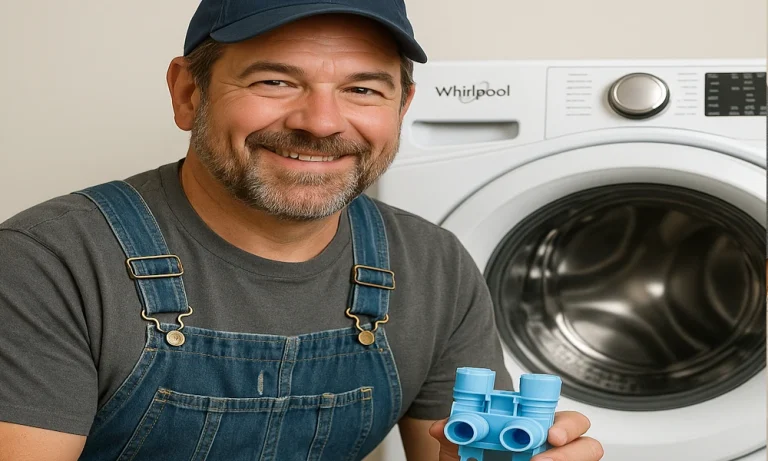
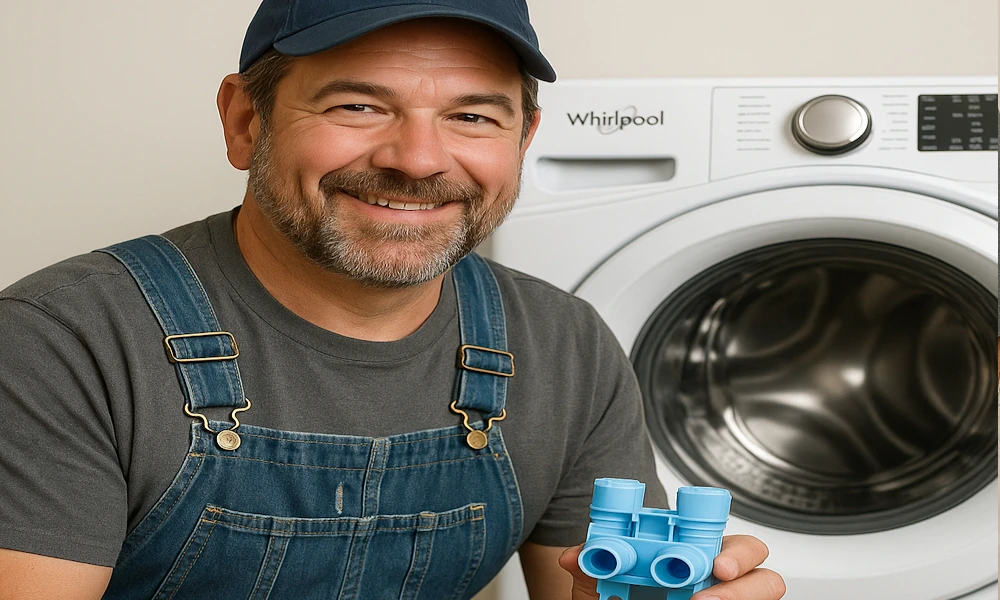
For this project I am replacing the Washer Water Inlet for a Whirlpool 4.5 CU, front load washer. However, replacing the water inlet valve is more or less the same for every washing machine. It is just a matter of finding the location of it which is always on the back of the washing machine, where the hot and cold water supply hoses connect.
| Item | Details |
| Appliance used in this example | Whirlpool 4.5 cu. ft. front load washer |
| Whirlpool washer model | WFW5620HW1 |
| Difficulty level | Beginner to intermediate |
| Estimated time | 1 to 2 hours |
| Typical part cost | About $20 to $30 for generic parts, or about $119 for an OEM Whirlpool part |
What Is a Washer Water Inlet Valve and Why It Matters
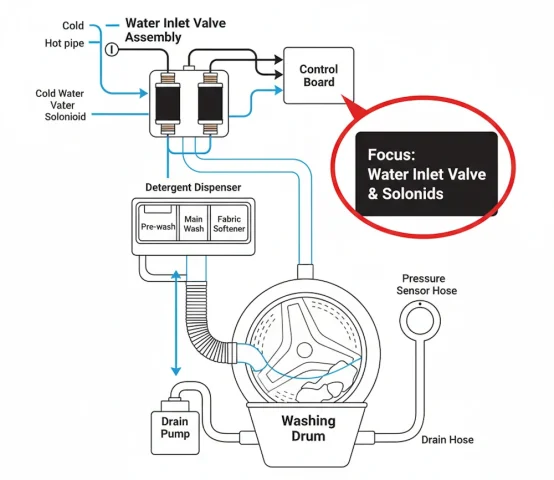
The washer water inlet valve controls how hot and cold water enter the tub. Inside the valve are small electrically controlled solenoids that open and close when the washer tells them to. If one of those solenoids fails, or if the screens inside the valve get clogged with sediment, water flow can become restricted or stop altogether.
Because the inlet valve directly affects how the machine fills, a bad valve can lead to cycle interruptions, temperature problems, and poor washing performance.
Symptoms of a Bad Washer Water Inlet Valve
- The washer will not fill with water
- The washer fills very slowly
- The washer stops or errors out during the fill cycle
- Hot and cold water temperatures seem reversed or incorrect
- You hear unusual buzzing or clicking when the machine tries to fill
Fixing it keeps your washer efficient, prevents strain on the motor and pump, and avoids more costly future repairs.
But if the issue’s minor like a worn belt or a broken door latch costing less than $150, then repairing it could buy you several more years of solid performance.
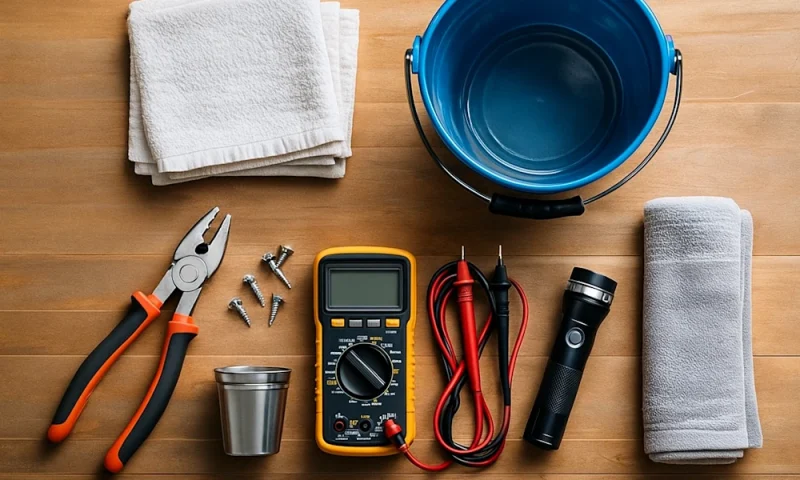
Tools and Materials You’ll Need
- Pliers
- Screwdrivers (flathead and Phillips)
- Flashlight
- Bucket or small container to catch water
- Multimeter (for testing solenoids)
- Replacement water inlet valve compatible with Whirlpool 4.5 cu. ft. Smart Front Load Washer
- Towel or rag for spills
Pro tip from Bob: On this Whirlpool model, always label or photograph the wire connectors before disconnecting to avoid miswiring the smart sensors.
Safety First
Unplug the washer, turn off both hot and cold water supply valves, and drain any remaining water. This Whirlpool model has electronic controls, so keeping it disconnected from power protects the board and prevents accidental flooding.
Step-by-Step Replacement Guide for a Washer Water Inlet Valve
Step 1: Disconnect the Water Supply Hoses
- Place a towel or bucket under the washer.
- Using pliers, unscrew the hot and cold hoses from the back of the Whirlpool washer.
- Inspect hose ends and the valve ports. Look for debris, mineral buildup, or corrosion, even minor blockages can reduce flow.
Bob’s tip: On smart models, gently wiggle hoses free to avoid damaging the water sensor connections inside the inlet valve.
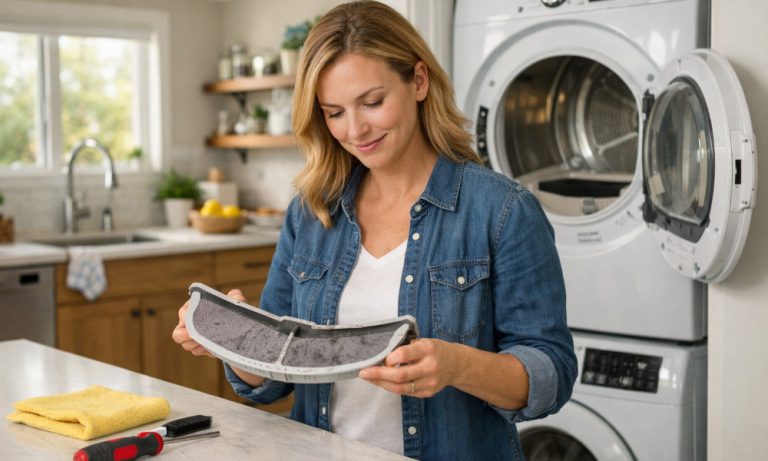
Step 2: Inspect and Clean Filter Screens
- The Whirlpool inlet valve has filter screens in each port.
- Remove debris or mineral buildup with a small brush.
- Rinse with water and dry before reinstallation.
Why it matters: Cleaning these screens can restore proper water flow and prevent error codes, sometimes eliminating the need for a full valve replacement.
Step 3: Remove the Old Valve
- Remove screws securing the valve to the washer’s rear panel.
- Disconnect electrical connectors carefully, noting their positions or taking a photo.
- Detach the hose connecting the valve to the washer tub.
Bob’s insight: Smart washers have extra sensors; handle wires gently to avoid triggering an error code when reinstalling.
Step 4: Test the Solenoids (Optional but Recommended)
- Set your multimeter to the Ohm (Ω) setting.
- Test each solenoid coil by placing the probes on the terminals.
- Normal resistance is usually between 400–800 ohms, but check your washer’s manual. Infinite resistance indicates a failed solenoid.
Why test: This confirms if the valve needs full replacement. Sometimes, cleaning the screens is enough, but testing ensures you don’t reinstall a faulty part.
Step 5: Install the New Valve
- Attach the hose leading to the washer tub. Ensure a snug fit to prevent leaks.
- Reconnect the electrical wires using your labels or photo as a guide.
- Screw the valve securely into the housing. Avoid overtightening, which can crack plastic parts.
Bob’s tip: Double-check the orientation of the valve. Most have labeled ports for hot and cold water — connecting them incorrectly will mess up your water temperature.
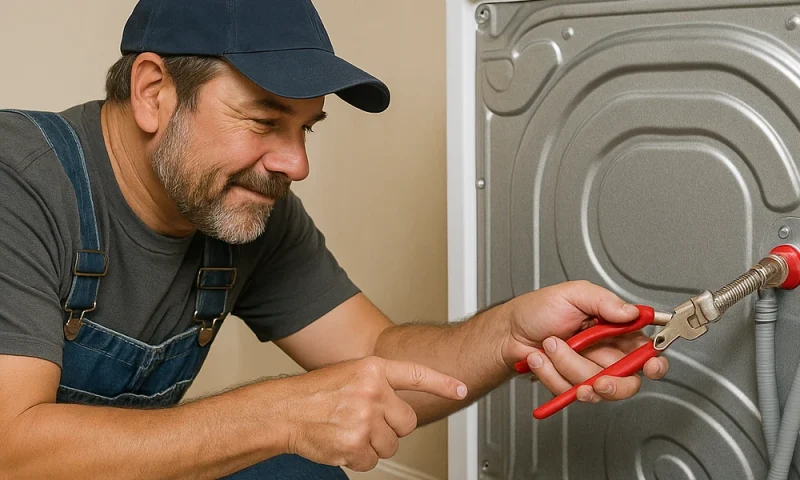
Step 6: Reattach the Water Supply Hoses
- Screw the hot and cold hoses back onto the valve ports.
- Hand-tighten first, then use pliers for a gentle final turn.
- Open the water supply valves slowly and check for leaks.
Why: Turning the valves on slowly prevents sudden pressure that could damage fittings or cause water sprays.
Step 7: Test Your Whirlpool Washer
- Plug in the washer and run a short cycle.
- Ensure water fills correctly and the display shows no error codes.
- Check all connections for leaks and proper function.
Bob’s note: If errors appear, double-check wire connections, hose orientation, and solenoid operation.
Tips From Bob When Replacing a Washer Water Inlet Valve
- Take photos before disconnecting anything. Smart washers have multiple sensors that must reconnect correctly.
- Inspect supply hoses while back there; old hoses can cause leaks.
- Clean inlet screens annually to prevent flow issues and error codes.
- If your washer is old or has multiple issues, consider calling a professional for safe repair.
Should You Repair or Replace the Washer?
When an appliance breaks down, an owner is often faced with a tough decision as to whether they should Repair or Replace an Appliance. Replacing a washer water inlet valve is usually worth it when the rest of the machine is in good condition. This is especially true if the washer is only dealing with a single issue such as no fill, slow fill, or inconsistent temperature.
If the washer also has major problems like a failing control board, transmission issues, or repeated electronic faults, compare the total repair cost to the age and value of the appliance before moving forward.
Today, there are High-efficiency washing machines that save you money and on the long run, it could be a better choice to replace the washing machine.
When to Call a Professional Washer Repair Technician
Even though this is beginner-friendly, call a professional if:
- You’re uncomfortable with wiring or sensors
- You lack basic tools
- You notice multiple issues with the washer or recurring error codes
Otherwise, this Whirlpool model’s inlet valve is a DIY-friendly repair.
FAQ
How do I know if my washer water inlet valve is bad?
Common signs include no water entering the washer, slow filling, incorrect water temperature, or the washer stopping during the fill cycle. Testing the solenoids with a multimeter can help confirm the diagnosis.
Can I clean a washer water inlet valve instead of replacing it?
Sometimes. If the filter screens are clogged with mineral deposits or debris, cleaning them may restore water flow. If the solenoids fail electrically, the valve needs to be replaced.
Where is the water inlet valve on a washing machine?
On most washers, the water inlet valve is located at the back of the machine where the hot and cold supply hoses connect.
How much does washer water inlet valve replacement cost?
The part may cost anywhere from about $20 to $30 for a generic replacement or around $119 for an OEM part, depending on the brand and model. Labor costs are extra if you hire a technician.
Is replacing a washer water inlet valve a beginner DIY repair?
Yes, in many cases it is. If you have basic hand tools, can safely shut off water and power, and are comfortable reconnecting wires and hoses, it is often a practical DIY job.
Conclusion
Replacing a water inlet valve on a Whirlpool 4.5 CU Washer or any washer is a safe, beginner-friendly repair. With the right tools, safety precautions, and step-by-step guidance, most homeowners can do it themselves. Fixing this valve keeps your washer running efficiently, prevents error codes, and ensures your FreshFlow™ Vent System continues to work properly.
Key Takeaways
- Beginner-Friendly DIY: This Whirlpool smart washer’s inlet valve is easy to replace for most homeowners.
- Know the Part: The valve regulates hot and cold-water flow; a failed valve can cause filling issues, temperature errors, and display codes.
- Inspect First: Cleaning the filter screens can restore proper flow without a full replacement.
- Test if Needed: Use a multimeter to ensure solenoids are functional.
- Label and Document: Photograph or label wire connections before removal.
- Check for Leaks: Test the washer on a short cycle to confirm proper operation.
- Preventive Maintenance: Annual cleaning of screens and hose inspections reduces future problems.
Bob’s Advice: Even though this is a DIY-friendly repair, don’t hesitate to call a professional if you’re unsure about wiring, sensors, or encounter unexpected issues.
About the Author