A washer not starting can make you assume the motor or control board has failed. Don’t order replacement parts yet. In many cases, the problem is much simpler, such as a tripped breaker, an unlocked door or lid, or an issue with the water supply. If your washer isn’t filling with water, you may eventually need to replace a washer water inlet valve, but it’s worth checking basic water-supply issues first.
When I’m troubleshooting a washer, I start with the easiest possibilities and work toward the problems that require more testing. Here’s the same basic order I recommend for homeowners.
Key Takeaways
- Check the outlet, breaker, GFCI, and power cord before troubleshooting the washer itself.
- Make sure the door or lid closes completely, and the latch or switch can engage.
- Check whether Control Lock or Child Lock is preventing the washer from responding.
- Reselect the wash cycle and make sure Start has been pressed correctly.
- If the washer has power but still won’t start, the door switch, lock, control board, timer, or motor may need further diagnosis.
- Don’t replace expensive parts based on symptoms alone.
1. Start With the Power
If the washer is completely dead, I always start with the power supply. A tripped breaker or GFCI can make a perfectly good washer look like it has suffered a major failure.
Test the outlet
Plug a lamp, phone charger, or another small appliance into the same outlet. If that device doesn’t work, the washer may not be the problem.
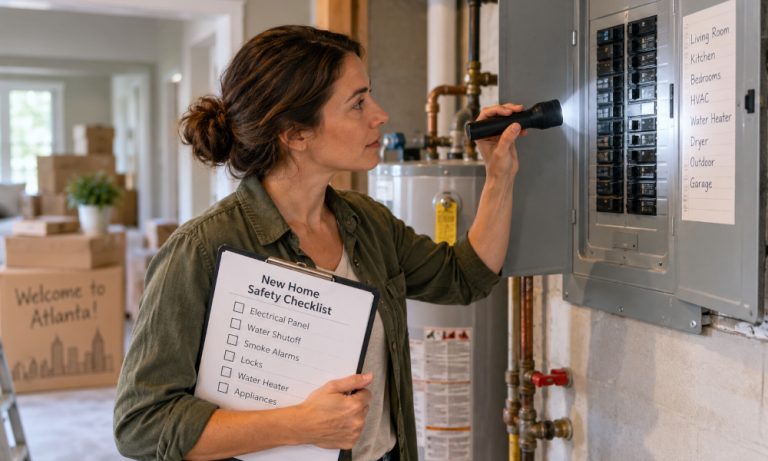
Check the electrical panel for a tripped breaker. If the washer is connected to a GFCI-protected outlet, press the reset button.
If the outlet still doesn’t have power after resetting the breaker or GFCI, the electrical circuit may need attention.
Inspect the power cord
If the outlet works, look at the washer’s power cord. Pull the machine forward only as far as necessary to inspect it safely.
Look for:
- Pinched or crushed sections
- Visible damage
- Loose connections
- A cord trapped behind the washer
I’ve seen cords become damaged after a washer was pushed too tightly against the wall, particularly after the machine had been moved. Don’t operate the washer if the cord is visibly damaged.
2. Check the Door or Lid
If the washer has power but won’t start, the door or lid is one of the first things I check.
Modern washers generally won’t begin a cycle unless they detect that the door or lid is securely closed. That prevents the machine from operating when the opening is not properly secured.
Front-load washers
Close the door firmly and check that the latch can engage.
Look around the door seal for anything that could prevent the door from closing properly, including:
- Clothing caught in the seal
- Fabric bunched around the opening
- Socks or other small items blocking the door
Even a small obstruction can keep the door from latching.
If the washer makes a click when you press Start but doesn’t begin the cycle, check the door lock before assuming the motor or control board has failed.
Top-load washers
Many top-load models use a lid switch or sensor near the hinge.
Open the lid and check the area for lint or debris. Clean away anything that could interfere with the switch, then lower the lid slowly.
If the washer continues to act as though the lid is open, the lid switch or sensor may need testing.
3. Make Sure Control Lock Is Off
Control Lock and Child Lock can cause a washer to appear unresponsive even when the machine has power.
Check the display for a lock icon or a message indicating the controls are locked. Some models disable the controls when this feature is active.
On many washers, the lock can be turned off by pressing and holding the designated button for 3 to 5 seconds. The exact procedure varies by model, so check the control panel or owner’s manual if you’re unsure.
This is a quick check, but it’s worth doing before moving on to more complicated troubleshooting.
4. Reselect the Cycle and Press Start
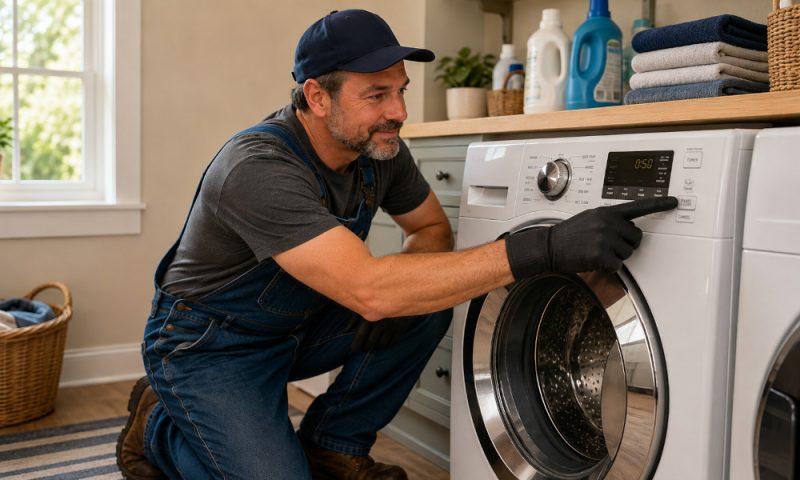
Sometimes the washer isn’t actually malfunctioning. The cycle may have been canceled, no cycle may be selected, or the Start button may not have registered.
A washer may appear unresponsive when:
- No cycle is selected
- The previous cycle was canceled
- Start wasn’t pressed
- A touch-style Start button needs to be held for a second or two
Reselect the desired cycle and press Start firmly. Watch the display when you do it.
If the display responds normally but the washer still doesn’t begin, move on to the next checks.
5. Check the Load
A washer can also refuse to begin or stop during a cycle when the load is too heavy or uneven. This is more common with high-efficiency and front-load machines.
Open the door or lid and look at how the clothing is distributed.
If the load is tightly packed:
- Remove a few items.
- Redistribute the remaining clothing.
- Close the door or lid securely.
- Try starting the cycle again.
If your washer and dryer sit on a raised platform, make sure the washer is level and the pedestal is sturdy enough to support the appliance. If you’re considering adding one, you can also learn how to build a DIY laundry pedestal for better storage.
An uneven load can cause repeated attempts to rebalance the clothes, which can make the washer appear to be malfunctioning.
6. Check the Water Supply
If the washer powers on but doesn’t begin the cycle, check the water supply valves behind the machine.
Make sure both the hot and cold valves are fully open. Then look over the hoses for:
- Kinks
- Corrosion
- Damaged fittings
- Signs of leakage
If the valves are open and the hoses look fine but the washer still won’t fill, the problem may be inside the machine. A failed water inlet valve, for example, may require testing the valve and its solenoids.
At that point, you’re moving beyond the basic checks that can safely be done from outside the washer.
What If the Washer Has Power but Still Won’t Start?
This is where the symptoms become more useful.
If the display is completely dark, concentrate on the electrical supply first.
If the display works but pressing Start does nothing, check the Control Lock, selected cycle, and door or lid detection.
If you hear a click but the washer doesn’t begin, the door lock, relay, or another component may be attempting to engage without completing the process.
If the door locks but the washer doesn’t continue into the cycle, the problem may involve the water supply, inlet valve, controls, or another internal component.
These symptoms can overlap, so I wouldn’t recommend buying a replacement part based on a single symptom.
When the Problem Needs Professional Diagnosis
If you’ve worked through the basic checks and the washer still won’t start, the problem may involve an internal component.
Common possibilities include:
Door or lid switch: The washer cannot confirm that the door or lid is safely closed.
Door lock assembly: A front-load washer may click or hum when attempting to lock the door but fail to complete the lock cycle.
Control board: The display may light up, but the washer doesn’t respond normally when Start is pressed.
Timer: Older top-load washers with mechanical controls can develop timer problems.
Motor: A motor problem is another possibility, particularly when other checks have already been ruled out.
The important point is that several different failures can produce similar symptoms. That’s why I recommend diagnosing the problem before ordering an expensive control board, motor, or other replacement part.
I once came across a washer that looked like it had a serious motor problem because it wouldn’t start, and the owner heard the machine attempt to engage. The actual problem was the door lock assembly. The symptoms looked much worse than the repair actually was.
That is a good example of why diagnosis matters. A washer that won’t start doesn’t necessarily need a new motor or control board.
If you’ve ruled out the basic problems and your washer still won’t start, consider having a qualified appliance repair technician diagnose it. Appliance EMT can help identify the underlying problem and determine whether the washer needs a repair or replacement.
A Simple Troubleshooting Order
When a washer won’t start, this is the order I’d use:
- Check the outlet, breaker, and GFCI.
- Inspect the power cord for damage.
- Make sure the door or lid closes and latches properly.
- Check the Control Lock or Child Lock.
- Reselect the cycle and press Start.
- Check for an overloaded or uneven load.
- Make sure the water supply valves are open.
- If the problem remains, consider whether an internal component needs testing.
Starting with the simple checks can save you from spending money on parts you don’t need.
Frequently Asked Questions
Why is my washer not starting even though it has power?
If the display lights up but the cycle won’t begin, check the door or lid first. The washer needs to detect that it is properly closed before it can start.
Then check Control Lock, the selected cycle, the Start button, the load, and the water supply.
If all of those appear normal, the washer may have an internal component problem that requires diagnosis.
Can an overloaded washer refuse to start?
Yes. Some washers can prevent a cycle from beginning when the load is too heavy or uneven.
Remove a few items, redistribute the remaining clothing, close the door or lid, and try the cycle again.
Why does my washer click but not start?
A click can mean that a door lock, relay, or another component is attempting to engage. If the washer clicks and then remains silent, check that the door or lid is closing properly.
If the basic checks don’t resolve the problem, the component making the click may need to be tested.
Should I unplug my washer to reset it?
Unplugging a washer for about a minute can sometimes clear a temporary control problem. After plugging it back in, select a cycle and try starting the machine again.
If the washer still won’t start, the problem may be mechanical or electrical rather than a temporary control glitch.
When should I stop troubleshooting my washer myself?
Stop when the problem appears to involve an internal electrical or mechanical component that you cannot safely test.
Don’t remove panels or work on live electrical components unless you know how to do so safely. A failed door switch, lock motor, control board, timer, or motor may require additional testing.
Getting a diagnosis before buying parts can help prevent an unnecessary repair.
Before You Call for Repair
A washer that won’t start isn’t necessarily a sign that the machine needs a major repair.
Start with the basics: power, the door or lid, Control Lock, the selected cycle, the load, and the water supply. These checks can rule out several common causes without taking the washer apart.
If you’ve gone through those steps and the washer still won’t respond, that’s when I recommend getting the problem diagnosed. The same symptom can come from several different components, and replacing parts based on a guess can get expensive quickly.
About the Author