
A Homeowner’s Practical Guide to Keeping Your Appliances Running Longer, More Efficiently, and With Fewer Costly Repairs
After more than 20 years of homeownership in Atlanta, I’ve learned that appliances are some of the hardest-working and most overlooked parts of a home. I’ve purchased, maintained, and repaired refrigerators, dishwashers, ovens, washers, and dryers over the years, and one thing has stayed consistent: appliances that receive regular care last longer, run better, and cost far less over time.
If your goal is to extend the life of your home appliance, it doesn’t require technical expertise or expensive tools. It comes down to awareness, consistency, and knowing what each appliance needs to stay healthy.
Key Takeaways
- Regular cleaning reduces strain and improves efficiency
- Overloading appliances significantly shortens lifespan
- Correct products and settings prevent internal damage
- Appliance-specific maintenance matters more than people realize
- Early warning signs should never be ignored
Why Appliance Longevity Matters
Major home appliances are long-term investments. When one fails early, the cost goes far beyond replacement. There’s the inconvenience, emergency repair fees, wasted food, disrupted routines, and higher utility bills that often show up before a breakdown.
In my experience, appliances rarely fail without warning. Most problems build slowly from residue, restricted airflow, worn seals, or ignored maintenance. Addressing small issues early helps appliances run efficiently and dramatically extends their usable life.
Everyday Habits That Extend the Life of Your Home Appliance
Keep Appliances Clean (Including the Parts You Don’t See)
Clean appliances don’t have to work as hard. When grease, dust, lint, or residue builds up, motors and heating elements compensate by running longer and hotter, which accelerates wear.
Regular cleaning prevents mold, odors, drainage issues, and overheating. Even quick wipe-downs and occasional inspections reduce friction and mechanical strain, helping extend the life of your home appliance without costly repairs.
Avoid Overloading and Misuse
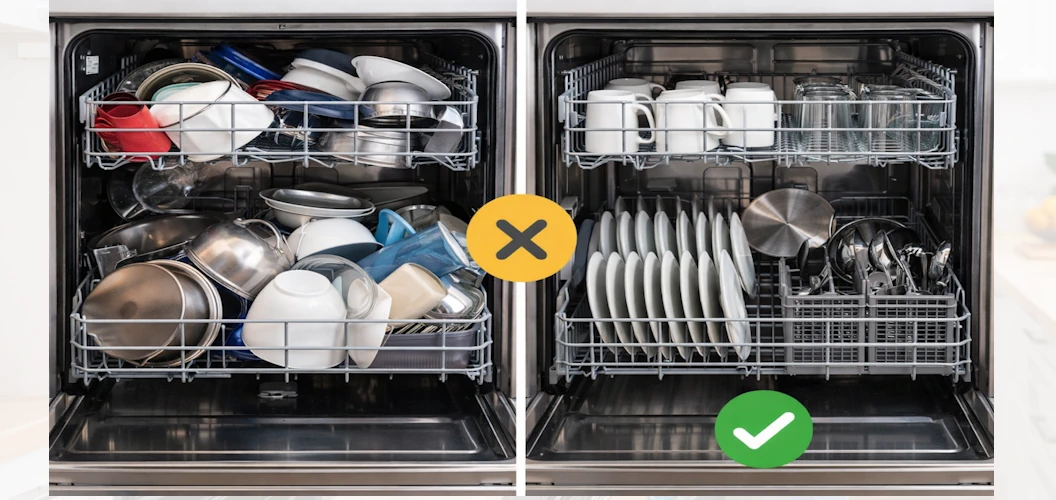
Every appliance has a designed capacity, and repeatedly exceeding it shortens its lifespan. Overloading puts stress on motors, bearings, belts, and suspension systems while also reducing performance.
Running appliances within their limits improves results. This means cleaner dishes, better laundry cycles, and more even cooking—while protecting internal components from unnecessary damage.
Use the Right Products and Settings
Using incorrect detergents, cleaners, or cycle settings quietly damages appliances over time. Excess soap causes buildup in hoses and pumps, while overly aggressive cycles wear down parts faster than needed.
Manufacturer recommendations exist to protect internal components. Following them reduces residue, minimizes chemical damage, and keeps appliances operating efficiently for years longer.
Appliance-Specific Maintenance Checklist to Extend the Life of your Appliances
Every major appliance in your home works a little differently and faces its own set of stresses. Dishwashers deal with food debris and moisture, washers and dryers handle constant movement and heat, refrigerators run nonstop, and ovens endure extreme temperatures. Because of this, each appliance benefits from targeted care and not just general maintenance. The checklists below focus on the most important, appliance-specific habits that help prevent common failures, improve performance, and ultimately extend the life of your home appliance
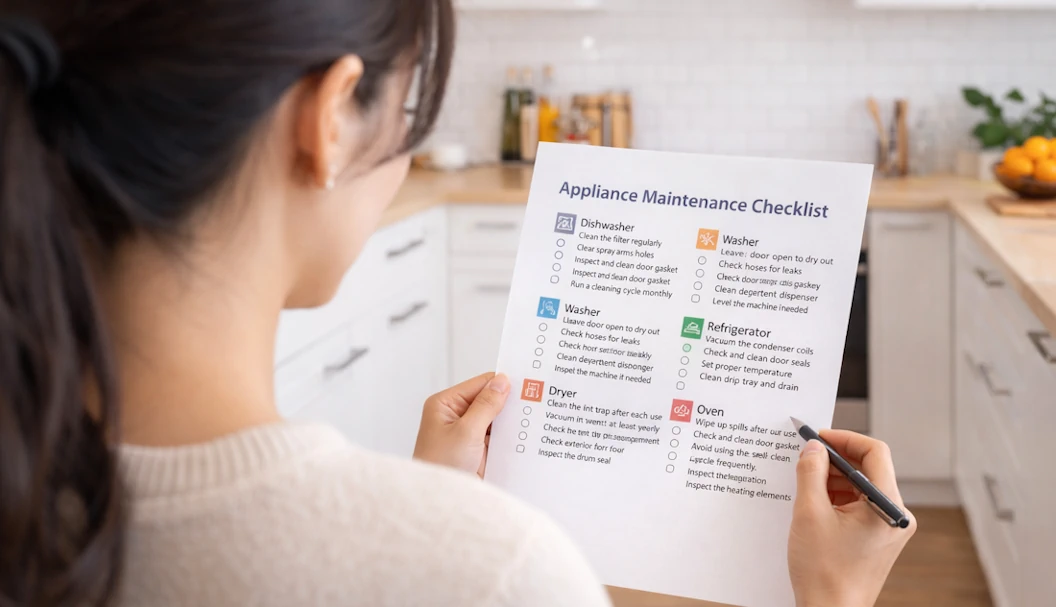
Use these checklists as quick reference guides you can return to throughout the year. These habits have consistently proven to make the biggest difference in longevity.
Dishwasher Maintenance Checklist
Dishwashers are exposed to heat, moisture, and food debris every day, which makes routine maintenance essential. Filters and spray arms can clog over time, while worn seals may cause leaks or poor cleaning. Regular upkeep reduces strain on key components and helps the dishwasher run efficiently for years.
- Clean the dishwasher filter every few weeks to prevent clogs and drainage issues
- Wipe the door gasket to maintain a tight seal and prevent leaks
- Run a dishwasher cleaning cycle monthly to remove grease and mineral buildup
- Check spray arms for debris that can block water flow
- Avoid overloading racks to ensure proper circulation
Washer Maintenance Checklist
Washing machines deal with constant movement, moisture, and heavy loads. Detergent buildup, trapped moisture, and unbalanced cycles are common causes of early failure. Simple maintenance habits help protect internal parts and extend the life of your home appliance.
- Leave the door or lid open after cycles to allow moisture to dry
- Use the correct detergent type and amount (especially HE detergent)
- Inspect hoses yearly for cracks, bulges, or leaks
- Balance loads to reduce vibration and wear on bearings
- Run a washer cleaning cycle periodically to prevent residue buildup
Dryer Maintenance Checklist
Dryers depend on proper airflow to operate safely and efficiently. Lint buildup can lead to longer drying times, overheating, and component wear. Keeping airflow clear reduces strain on the motor and heating element while improving performance.
- Clean the lint trap after every load
- Inspect and clean the dryer vent and exhaust duct at least once a year
- Check the vent hose for kinks, crushing, or loose connections
- Avoid overloading the dryer to protect the motor and drum rollers
- Use lower heat settings when possible to reduce wear
- Listen for squeaking or thumping noises that signal worn parts
- Watch for longer drying times, which often indicate airflow problems
Refrigerator Maintenance Checklist
Refrigerators run nonstop, so even small issues can add up quickly. Dirty coils and worn seals force the compressor to work harder than necessary. Regular maintenance helps maintain consistent temperatures and protects the most critical components.
- Clean condenser coils once or twice a year to prevent overheating
- Wipe and inspect door seals to keep cold air inside
- Avoid overpacking shelves to allow proper airflow
- Keep temperatures consistent in both fridge and freezer
- Listen for unusual noises that may indicate fan or compressor issues
Interestingly enough, a refrigerator is especially prone to failure during the holidays as they tend to get overstuffed and opened more often leading to the refrigerator compressor working overtime. Therefore, proper fridge maintenance is essential to keep that from happening at the wrong time of the year.
Oven Maintenance Checklist
Ovens endure high heat and frequent use, which can wear down components over time. Grease buildup and damaged seals affect cooking performance and efficiency. Light, regular cleaning helps reduce stress and keeps the oven working reliably longer.
- Wipe spills promptly to prevent baked-on residue
- Limit use of the self-cleaning cycle to avoid heat stress
- Inspect door seals to keep heat contained
- Keep vents clear for proper airflow
- Watch for uneven cooking or temperature fluctuations
Pay Attention to Early Warning Signs
Appliances almost always give notice before failing. New noises, longer run times, inconsistent temperatures, or small leaks are rarely harmless.
Addressing these signs early often means a simple repair instead of a major component replacement. Ignoring them usually leads to compounded damage and higher costs.

When to DIY and When to Call a Professional
Routine tasks like cleaning filters, wiping seals, and inspecting hoses are safe and effective for homeowners as a DIY project. However, Electrical issues, persistent leaks, repeated error codes, or temperature failures typically require professional service.
Knowing when to stop is just as important as knowing what to do. Timely professional repairs often prevent appliance replacement altogether.
Calling a professional at the right time saves money long-term. If you are experiencing a problem that needs the attention of an appliance repair technician in the Atlanta, GA area, take a look at my list of the 10 Best Appliance Repair Companies in Atlanta.
Final Thoughts
Appliance care doesn’t have to be complicated. Over the years, I’ve learned that consistency beats perfection every time. Small habits, practiced regularly, have a bigger impact than occasional deep maintenance.
If you stay attentive, follow appliance-specific care, and act early when something feels off, you can truly extend the life of your home appliance and avoid many of the frustrations that come with unexpected breakdowns.
About the Author