Learn How to Repair a Hole in Drywall Using Professional Drywall Repair Techniques from Handyman Bob
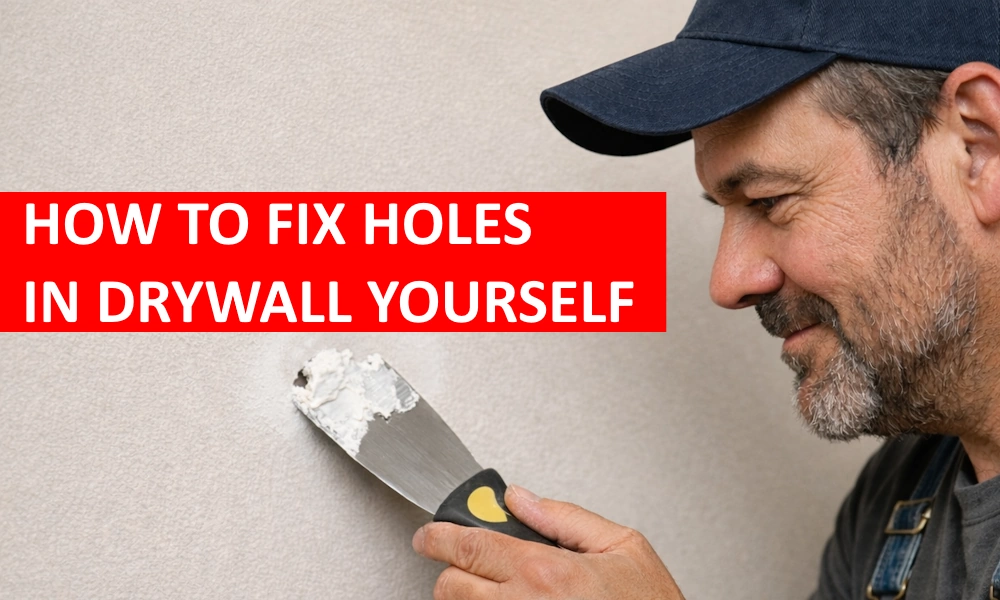
If you have a hole in drywall (whether it’s a tiny nail hole or a fist-sized accident) you can repair it so it looks like it never happened. The key is using the right method for the hole size, and taking your time with drying, sanding, and feathering the edges.
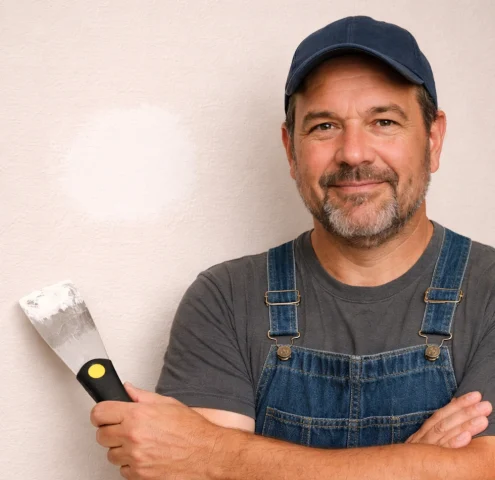
Hi, I’m Bob, a handyman serving homeowners across Metro Atlanta. I’ve repaired hundreds of drywall holes over the years, from quick cosmetic fixes to full patch-and-texture repairs. This guide walks you through the same process I use on real jobs.
Key Takeaways
- Match the repair to the hole size: spackle for tiny nail/screw holes, tape + joint compound for medium holes, and a drywall patch for large damage.
- Prep matters: remove loose drywall and smooth the edges so the filler bonds and doesn’t crumble later.
- Reinforce medium-to-large holes: mesh tape (and backing support for large holes) prevents cracks, sinking, and weak spots.
- Thin coats win: apply 2–3 light coats of joint compound, letting each coat dry fully before sanding or recoating.
- Feather wider than you think: blend the compound out past the repair area to avoid a visible “patch circle” after painting.
- Prime before paint: primer prevents “flashing” (uneven sheen) so the repair disappears under the final coat.
- Texture last (if needed): match the wall texture after sanding, then prime and paint for a seamless finish.
Quick Answer (What to Do Based on Hole Size)
- Small holes (nail/screw holes, smaller than a dime): Spackle, sand, paint.
- Medium holes (about 1–2 inches): Mesh tape + joint compound, sand, paint.
- Large holes (over 2 inches): Cut to a clean shape, install a drywall patch, tape, mud, sand, texture, paint.
Table of Contents
What You’ll Learn
By the end of this guide, you’ll know:
- Which repair method fits your hole size
- The tools and materials you actually need
- How to avoid common DIY drywall mistakes (cracking, sinking, visible patches)
- How to finish the repair so it blends with the wall
Why Drywall Holes Happen (And Why Proper Repair Matters)
Drywall damage is extremely common. I see holes caused by:
- Door handles hitting walls
- Anchors and screws pulling out
- Furniture impacts
- Kids, pets, and accidents
- DIY projects that went sideways
If drywall isn’t repaired correctly, the patch can:
- Crack or sink over time
- Show through paint (especially in angled light)
- Reduce wall durability
- Make a room look unfinished (and hurt resale/inspection impressions)
A “good” repair isn’t just filled—it’s reinforced (when needed) and feathered smoothly so the wall looks continuous.
Tools and Materials for Drywall Repair
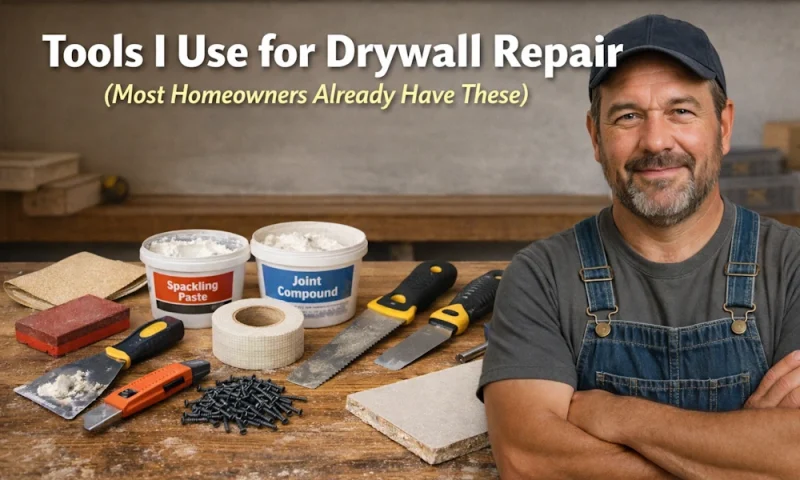
Most homeowners already have a lot of this.
Basic Tools
- Putty knife (2–6″ is ideal)
- Sandpaper or sanding sponge (120–220 grit)
- Utility knife
- Drywall saw (for larger holes)
- Screwdriver or drill
Materials (pick what matches your hole size)
- Spackling compound (best for small holes)
- Joint compound (best for tape and larger repairs)
- Drywall mesh tape
- Drywall patch kit (optional for medium holes)
- Replacement drywall piece (for large holes)
- Drywall screws
- Backing support (wood strip) for holes without a stud behind
Optional—but makes your finish look “pro”
- Primer (especially important after patching)
- Texture spray or texture tool (if your wall is textured)
- Drop cloth + dust mask (sanding dust is real)
Before You Start: Prep Like a Pro
- Protect the area: Put down a drop cloth—drywall dust travels.
- Remove loose drywall: Cut away crumbly edges so the compound bonds well.
- Clean the surface: Wipe dust off the wall before applying mud.
- Choose the right product: Spackle for tiny holes; joint compound + tape for anything that needs strength.
How to Repair a Small Hole in Drywall (Nail Holes & Tiny Damage)
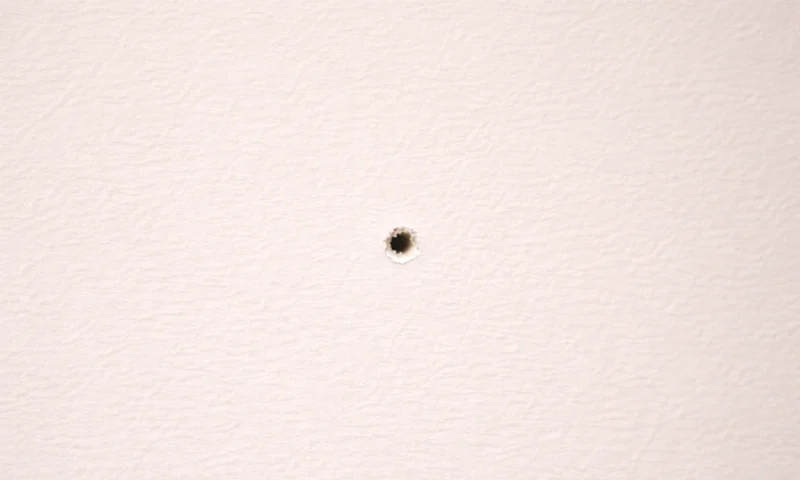
Best for: nail holes, screw holes, pinholes, and small dents (smaller than a dime)
Step 1: Lightly Sand the Area
Use a sanding sponge to smooth the surface and knock down raised edges.
Step 2: Fill With Spackle
Press spackle into the hole using a putty knife. Slightly overfill it—spackle can shrink a bit as it dries.
Step 3: Smooth the Patch
Pull the knife across the repair in a wide, smooth motion so the patch sits flush.
Step 4: Dry, Sand, Paint
Let it dry (follow the product label), then sand smooth and paint.
Pro tip: If you’re painting a larger area, prime first—patched spots can “flash” (look shinier/duller than the rest of the wall).
How to Repair a Medium Hole in Drywall (About 1–2 Inches)
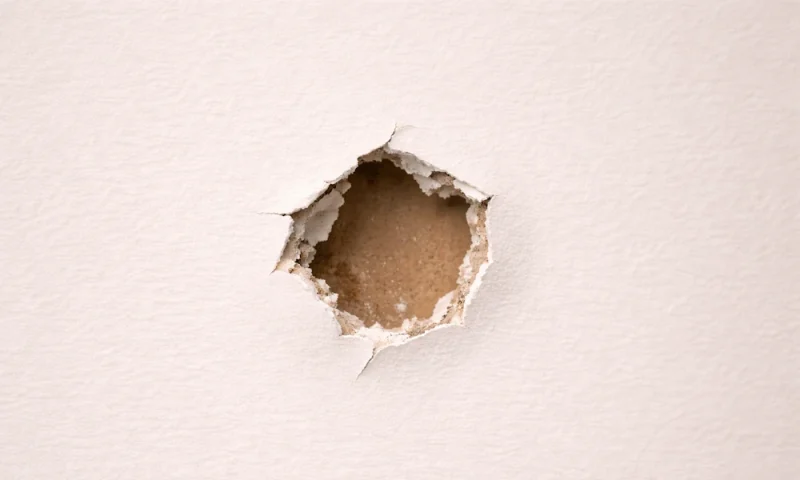
Best for: anchor holes, small impact holes, dents that are too big for spackle alone
This is where many DIY repairs fail, usually because the patch wasn’t reinforced or the edges weren’t feathered.
Step 1: Smooth the Edges
Sand around the hole so the tape and compound adhere cleanly.
Step 2: Apply Drywall Mesh Tape
Center mesh tape over the hole. This prevents cracking later.
Step 3: Apply Joint Compound (First Coat)
Spread joint compound over the tape and beyond it. Don’t try to make it perfect on coat #1—focus on coverage and bonding.
Step 4: Let Dry, Then Apply a Second Coat
Once dry, add a wider second coat and feather the edges outward so it blends into the wall.
Step 5: Sand Smooth and Finish
Sand lightly, wipe dust, prime, and paint.
Common mistake: Only mudding the tape area, not feathering wide enough. That’s how you get the “obvious patch circle” after painting.
How to Repair a Large Hole in Drywall (Over 2 Inches)
Best for: holes larger than 2 inches, dents with broken drywall, or damage that needs structure
This is the professional method I use on bigger repairs.
Step 1: Cut a Clean Opening
Use a drywall saw or utility knife to cut the damaged area into a clean square or rectangle. Clean edges make a stronger repair and smoother finish.
Pro tip: If you can expose a wall stud, do it. If not, add backing support behind the hole.
Step 2: Add Support (If No Stud Is Available)
Slide a wood strip behind the hole and screw it to the existing drywall on both sides. This gives your patch something solid to attach to.
Step 3: Cut and Install the Drywall Patch
Cut a piece of drywall to fit the opening. Screw it into the stud or backing support.
Step 4: Tape the Seams
Apply mesh tape over every seam where old drywall meets the patch.
Step 5: Apply Joint Compound (2–3 Coats)
- First coat: Cover tape and screws
- Second coat: Wider feathering
- Third coat (if needed): Final smoothing coat
Let each coat dry fully before sanding or recoating.
Step 6: Sand, Texture (If Needed), Prime, Paint
Sand smooth, match the wall texture if your wall is textured, prime the repair, then paint.
Texture note: Matching texture is often what separates “DIY looks okay” from “you can’t tell it was repaired.”
Troubleshooting: Why Your Drywall Patch Looks Bad
- Cracks appearing: Not enough reinforcement (use tape for medium+ holes)
- Patch looks like a bump: Not feathered wide enough
- Patch shows through paint: No primer, or different paint sheen
- Edges look rough: Too aggressive sanding or poor first coat smoothing
When I Recommend Calling a Professional
DIY drywall repair is great but I tell homeowners to call a pro when:
- Electrical wiring is exposed
- Moisture damage or mold is present
- The hole keeps cracking after previous repairs
- You need texture matching across a visible area
- The damage spans multiple wall sections
Sometimes getting it done right the first time is cheaper than redoing a failed patch.
Final Thoughts From Bob
Drywall repair is one of the most useful home maintenance skills you can learn. Don’t rush drying time, don’t skip feathering, and always finish with primer for a consistent paint look.
If you’re in Metro Atlanta and want drywall repair that won’t crack, sink, or show through paint, reach out—I’m happy to help.
Hire Handyman Bob for Drywall Repair in Metro Atlanta
When you hire me, you get:
- Repairs that blend in (smooth edges + clean finish)
- Correct patching for small, medium, and large holes
- Honest advice if the damage is bigger than it looks
FAQ: Drywall Hole Repair
What’s the easiest way to fix a small hole in drywall?
For nail or screw holes, use spackle, let it dry, sand smooth, then prime and paint.
When should I use joint compound instead of spackle?
Use joint compound when you’re applying tape or repairing anything bigger than tiny nail holes—especially medium and large holes.
Do I need mesh tape for anchor holes?
If the hole is around 1–2 inches or the drywall is weakened, yes—mesh tape helps prevent cracking and sinking.
How long does drywall compound take to dry?
Dry time depends on thickness, humidity, and product type. Thicker coats take longer; always follow the product label and don’t rush sanding.
Why does my patch show through paint?
Usually because primer was skipped, the paint sheen doesn’t match, or the patch wasn’t feathered wide enough.
Can I repair a large hole without cutting it square?
You can, but it’s harder to make it strong and invisible. Clean square/rectangle cuts are easier to patch and finish smoothly.
Do I need to prime patched drywall?
Yes. Primer helps prevent flashing and uneven sheen.
How do I match wall texture after patching?
You can use texture spray, a sponge, or a texture tool depending on the wall style. Test on cardboard first so you don’t over-texture the patch.
What grit sandpaper should I use for drywall repairs?
A sanding sponge in the 120–220 range works well for most finishing.
When is a drywall hole “too big” for DIY?
If wiring is exposed, moisture damage is present, or the repair needs large texture blending in a highly visible area, a pro is often the safer bet.
More DIY Articles from Bob
Repair or Replace an Appliance? A 5-Minute Checklist (Plus the 50/50 Rule)
About the Author